


Azure
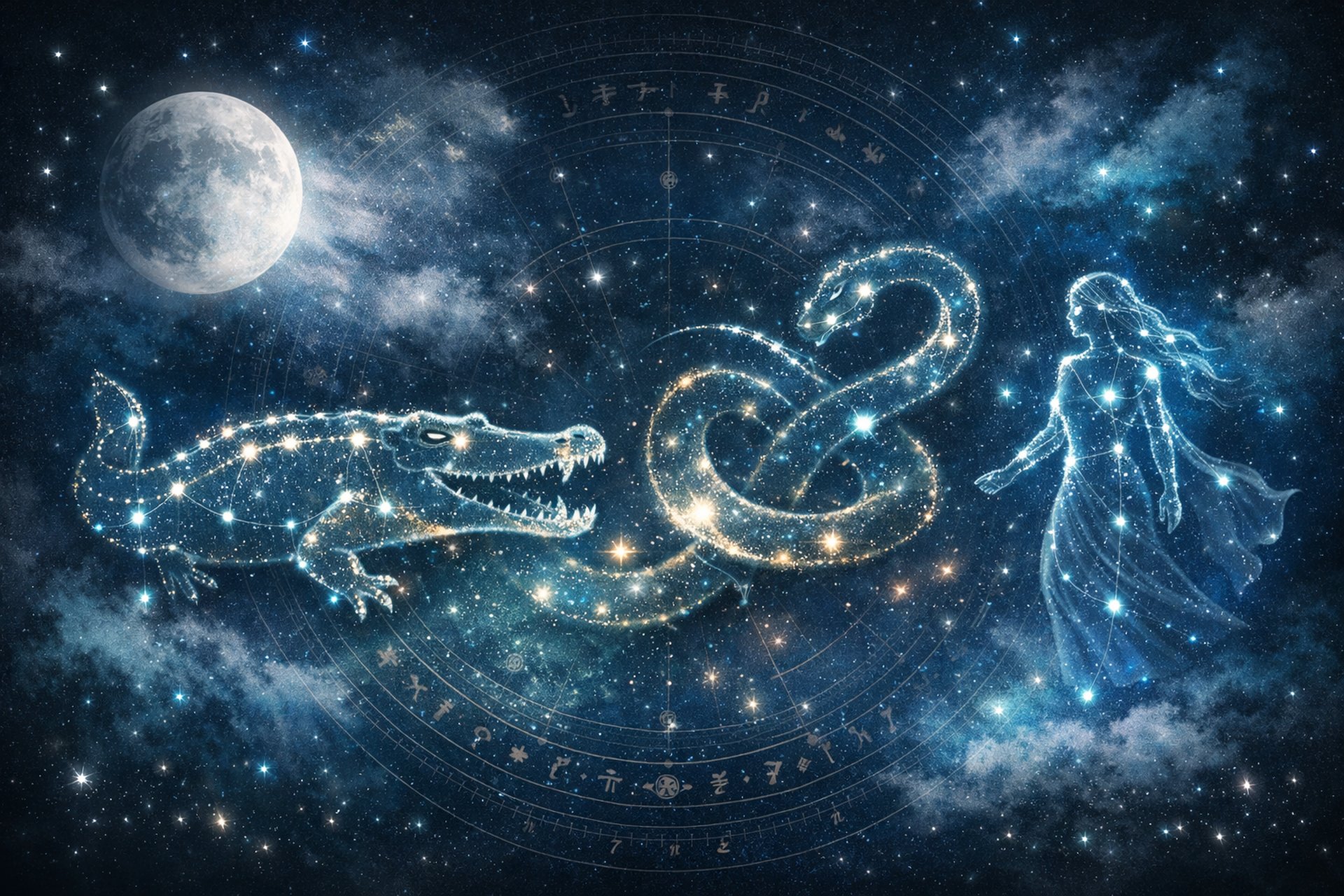
He is the Moon God—eternal, distant, bound to the heavens by ancient vows. She is the village healer, her fabled blue eyes whispered to be a bridge between worlds. Their forbidden connection sparks against the dark, a temptation Chandra cannot resist… even with a celestial wife waiting for him above.
But some fires draw more than warmth.
They draw monsters.
When the demon Rahu steals Chandra’s face and lures the innocent Azure into a sacred temple during her most vulnerable hour, he does more than break a divine law—he shatters her soul. The vibrant young woman she once was is forever changed, and the god who longed for mortal touch must now bear the consequences of his desire.
In a world where gods and demons gamble with human lives, love becomes both a weapon and a curse. Can something sacred bloom between heaven and earth… or has Chandra doomed them both?
“The moonwater shimmered against her skin, each ripple whispering a name she had forgotten. Azure lifted her hand, and the stars answered — not with light, but memory.”
The Blue Lotus: Symbol of Rebirth and Divine Awakening
The blue lotus has long been revered as one of the most sacred flowers of the ancient world. In Egyptian mythology, it symbolized rebirth, divine protection, and the eternal cycle of the sun. Each morning the lotus opened with the sunrise, and each evening it folded into the water again — a living reflection of Ra’s journey across the sky, and the endless rhythm of life, death, and renewal.
Ancient texts describe the lotus as the flower from which creation itself emerged. In one myth, the god Atum rose from a primordial lotus at the dawn of time, bringing the first gods into existence. Because of this, the lotus became a powerful emblem of origin, transformation, and the divine spark within all living things.
The flower’s presence extended far beyond symbolism. Pharaohs and priests used blue lotus in rituals meant to bridge the mortal and spiritual realms. Archaeologists have found lotus petals placed with mummies — a gesture of protection, guidance, and safe passage into the afterlife. Its natural compounds, known to induce gentle euphoria and relaxation, may have deepened spiritual ceremonies, helping worshippers slip into states of clarity, vision, and communion.
Growing along the Nile, the blue lotus thrived in waters where little else could survive. Its resilience made it a daily part of Egyptian life, appearing in temple carvings, royal regalia, papyri, and sacred art. The flower was closely tied to gods of healing and resurrection, including Nefertum and Osiris, reinforcing its role as a bridge between the physical and the divine.
Beyond its spiritual significance, the lotus was valued for its medicinal properties — easing pain, calming the mind, and soothing the body. Its psychoactive qualities were likely used in rituals to enhance meditation, dreamwork, and spiritual insight.
In essence, the blue lotus was more than a flower. It was a symbol of awakening — a reminder that every ending folds into a new beginning, and that the divine is always blooming just beneath the surface.


Chandra and His 27 Wives
In ancient Vedic lore, Chandra, the Moon God, embodies beauty, emotion, and the rhythm of time itself. His luminous presence governs the tides of both oceans and hearts. Chandra is said to have twenty‑seven wives, each representing one of the Nakshatras — the lunar constellations that mark the Moon’s passage through the heavens.
Every night, he visits one wife, moving through the stars in a celestial dance that defines the lunar cycle. Yet his affection for Rohini, the most radiant among them, stirred jealousy among the others and drew the ire of their father, Daksha, who cursed Chandra to wane. Thus began the eternal cycle of waxing and waning — a divine rhythm of desire, loss, and renewal.
Chandra’s story is not merely one of romance but of balance and consequence. His light reminds mortals that passion must be tempered by fairness, and that even divine love carries the weight of cosmic order. Through his wives, the Moon’s phases mirror the shifting moods of the universe — a celestial reflection of longing, harmony, and rebirth.


Ancient Lore of Blue Eyes
Across ancient civilizations, blue eyes were never seen as ordinary. They were treated as omens, divine marks, or supernatural gifts — signs that someone stood halfway between the mortal world and the realm of gods.
Mythic Origins
Baltic Sea Legends — Blue eyes were said to be blessings from sea gods, reflecting the calm, deep waters they adored. Those who carried them were believed to hold serenity and hidden depth.
Mediterranean & Middle Eastern Traditions — Rare blue eyes were thought to ward off the evil eye, pierce deception, and protect against unseen forces.
European Witch‑Hunt Lore — Blue eyes could be read as a witch’s mark, granting the ability to see beyond time, space, and illusion.
Sumerian Divine Bloodlines — Ancient Sumerians linked blue eyes to the Anunnaki, marking individuals as descendants of gods.
Medieval Western Symbolism — Blue eyes became icons of purity, innocence, and divine favor.
Eastern Ghost Lore — In some Japanese tales, blue eyes signaled a supernatural being — a spirit, a vampire, or something not entirely human.
Ancient Genetics
Modern genetic research suggests all blue‑eyed people trace back to one ancestor who lived 6,000–10,000 years ago near the Black Sea. The trait spread through early Indo‑European groups and appears in elite remains from Egypt, Mesopotamia, and other ancient civilizations.
Symbolic Themes
Across cultures, blue eyes symbolize:
Divine or royal lineage
Magical insight or protection
Purity and virtue
Otherworldly or dangerous power
In the World of Azure
This lore echoes directly inside your story. In the village temple, the Elder says:
“A woman with blue eyes can pull the power of the gods right down to earth.”
Azure’s eyes are not just a trait — they are a mythic inheritance, a sign of connection between realms, and a foreshadowing of her destiny.


Rahu
The Devourer of Light
In Vedic lore, Rahu is the severed head of a serpent demon who once drank the nectar of immortality. Beheaded by Vishnu, his immortal head rose into the heavens, forever chasing the Sun and Moon — devouring them to create eclipses. Astronomically, Rahu represents the north lunar node, the shadow point where the paths of the Sun and Moon intersect. Spiritually, he embodies illusion, chaos, and desire — the cosmic force that blurs truth and shadow. Worshipped and feared across Hindu and Buddhist traditions, Rahu is the master of deception and transformation, a celestial reminder that even darkness hungers for light.


